
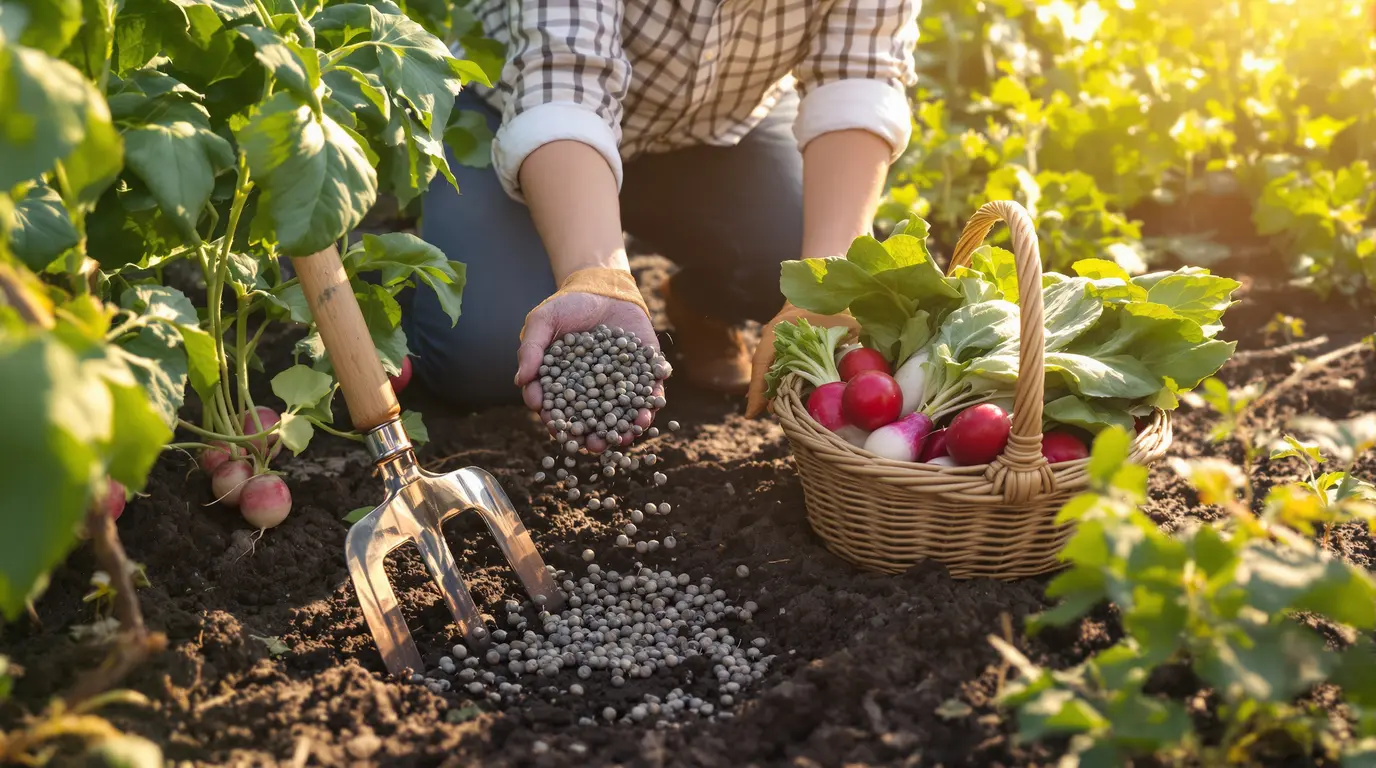
Many gardeners put away their tools at the end of summer, but this is actually a wonderful time to revive your garden. With warm soil and softer rains, you can seize the opportunity to plant once more before autumn arrives.
End of August is not the end of the garden
It is a common belief that gardening slows down after August, but this period is perfect for sowing again. Days remain bright, the soil retains warmth, and seeds germinate quickly without the stress of extreme heat.
This slight shift in timing is significant. You can fill in the gaps left by summer crops and avoid the frustrating absence of fresh produce when you most want it.
This approach also prolongs the joy of gardening. When the first chills arrive, you will still have tender greens, crunchy roots, and the ingredients for simple yet satisfying meals.
Vegetables to sow now for autumn harvest
Some vegetables thrive with late-summer sowing. They grow quickly, require little space, and withstand the return of cooler weather. This includes several beloved staples of the autumn garden.
- Radishes, ideal for a quick harvest in 18 to 25 days.
- Spinach, producing lush leaves in just a few weeks.
- Turnips, great for soups, sautéing, or even using the tops.
- Winter purslane, initially subtle, but very resilient in the cold.
Radishes, the speedy crop that makes you want to keep planting
Radishes are always a smart choice. You can sow them now and then again two weeks later to stagger your harvests, which prevents a surplus and keeps your garden lively.
They prefer simple rows, light soil, and consistent watering. If the soil dries out too much, they become spicy and less tender. With a bit of care, you can enjoy crunchy radishes with minimal effort.
Spinach, humble but generous
Spinach is often underestimated, yet sowing it at the end of August yields quick, harvestable leaves that are incredibly versatile in the kitchen. Whether you toss it into sautéed dishes, omelets, or casseroles, its value shines through.
Plant them in a partially shaded spot if the heat returns, as they prefer cooler conditions and are less stressed by strong midday sun.
Turnips and winter purslane, two steadfast allies
Turnips grow rapidly and fill the spaces left by summer crops well. Their mild flavor adds warmth to autumn soups, especially when harvested young. Additionally, the tops can be used in cooking, making it a great way to reduce waste.
Winter purslane, on the other hand, requires patience. It grows slowly but holds up beautifully to cool nights, often rescuing salads when other greens begin to fade.
How to prepare the soil before sowing
Before you start your new sowings, it’s advisable to do some basic soil preparation. Following the summer crops, the soil may be compacted and a bit exhausted. No need for deep tilling; a light fluffing often suffices to aerate it.
Add a handful or two of mature compost per square meter to enrich the soil and help young plants take off more quickly. A thin layer of well-rotted manure is also beneficial, but use it sparingly.
Mulching is equally important. A light layer of dried leaves or grass reduces evaporation and protects the surface of the soil, which is both simple and very effective when weather becomes unpredictable.
Simple steps for successful late sowings
Success often hinges on small details. Regular watering, without over-saturating the soil, aids in even germination. The ground should stay moist but not waterlogged.
If a day becomes too hot, you can protect your seeds with a light cloth or even an upside-down crate for several hours. This prevents the surface from drying out too quickly, giving young sprouts a helpful boost.
An additional tip is to sow in small batches multiple times. This allows for longer harvests without everything coming to fruition at once -a common pitfall for eager gardeners.
Well pairing vegetables to save space
As the gardening season winds down, making beneficial associations becomes very valuable. You might consider sowing radishes between rows of spinach or placing winter purslane near turnips. Every square foot counts, so it is wise to use it efficiently.
These combinations also have the advantage of minimizing empty spaces and making the garden more dynamic. Occupied areas dry out less and can help keep weeds at bay.
Moreover, diversity contributes to maintaining a healthier soil. When crops are rotated wisely, the garden tends to thrive longer. It is a simple logic, often overlooked.
When to harvest for optimal flavor
Harvesting at the right time significantly impacts quality. Radishes should be picked while still young. Spinach is best harvested leaf by leaf as needed. With winter purslane, cut it delicately to encourage regrowth.
This regular harvesting extends your yield and reduces waste. You can enjoy tender vegetables without waiting for them to become oversized or tough. And indeed, the flavor is not the same when you pick at just the right moment.
If chilly nights set in quickly, be sure to protect your rows with a lightweight cover or tunnel. A few extra degrees can sometimes prolong the season by several weeks.
The true secret to a fruitful autumn
One of the greatest joys in late August sowing is not just the harvest itself, but the feeling of actively participating in the changing season. You can transform a garden that seems to be winding down into a surprisingly productive space.
With a few carefully chosen seeds, some compost, and straightforward actions, you can continue to fill your baskets through autumn. This change in mindset can make all the difference. While the summer holidays may be ending, the story in your garden can carry on a little longer. This might be the best moment to sow!