On TikTok, the most extravagant recipes attract millions of curious viewers, generating feelings of fascination, disgust, and health concerns.
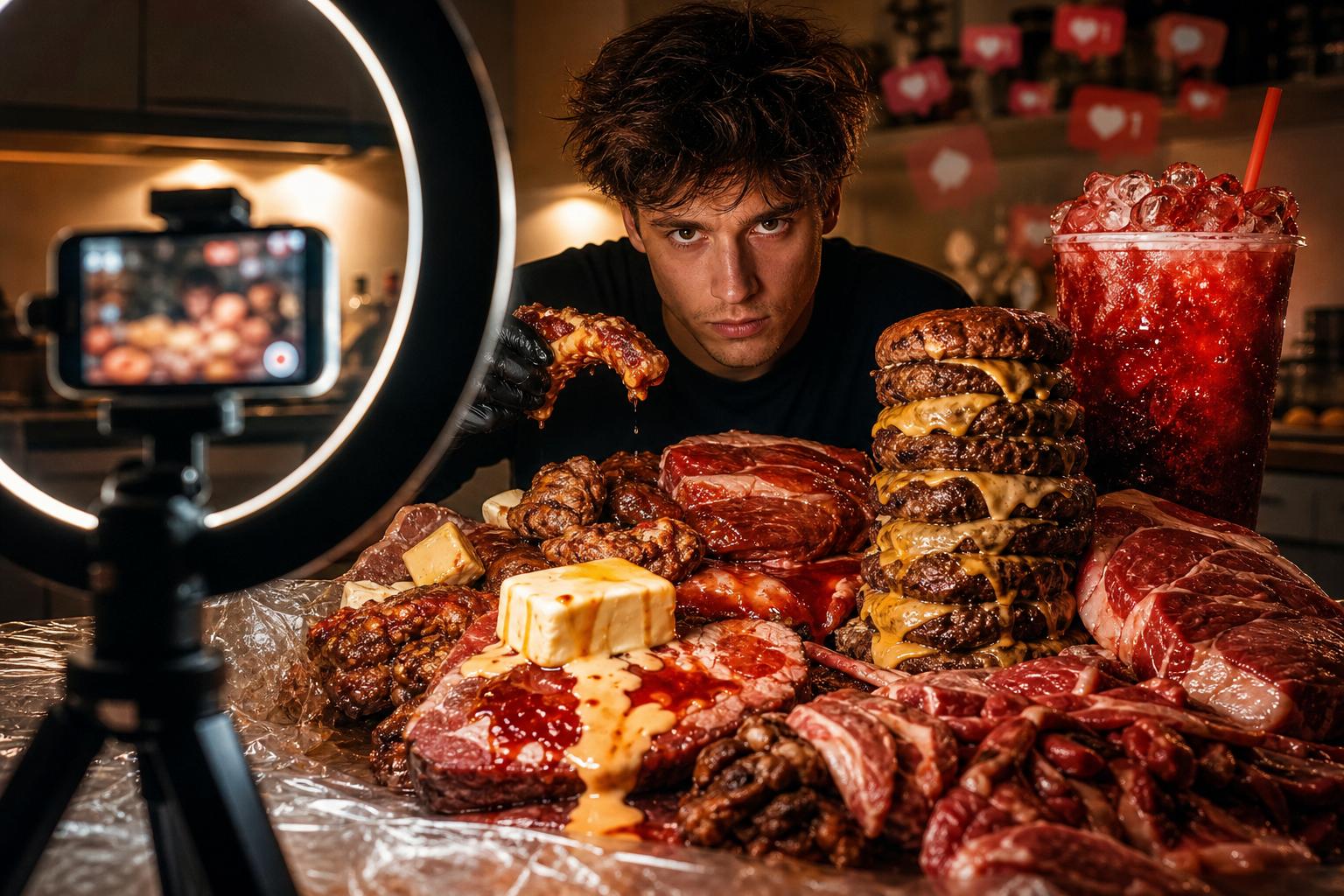
Mountains of meat, sweet sauces poured into large cups, and dishes prepared on tables covered with plastic wrap are just the start. Culinary videos now aim not only to tantalize but also to stop scrolling, provoke immediate reactions, and ideally, rack up views.
The recipe is not always the main focus
Jack Turco, known as “Butter Dawg,” has gained fame for his diet that consists almost entirely of animal products. In his videos, he consumes large quantities of ground meat, fats, and sometimes more unusual items like offal or organs.
In one viral video seen over three million times, he offers advice on following a strict carnivore diet while also noting potential digestive issues in the initial weeks. The calm tone paired with deliberately raw visuals is designed to evoke surprise or even discomfort to engage viewers.
On video platforms, the most-watched dish isn’t always what viewers want to cook, but often what they find hard to ignore.
This type of content is not an isolated phenomenon. Creators are boiling chips to make them into puree, mixing raw pasta, or adding excessive amounts of cheese, cream, and sugar to already rich dishes. Cooking has turned into a spectacle, where flavor sometimes takes a backseat.
A race for eye-catching visuals that leaves no room for the mundane
On TikTok, a few seconds are all it takes to capture or lose a viewer’s attention. A carefully prepared family meal without visual flair struggles against scenes of overflowing cheese, dripping sauces, heaped meat, or brightly colored drinks in massive containers.
This trend pushes some accounts to go further. A simple recipe may be appealing if filmed well. However, producing high-quality visuals requires proper equipment, time, a suitable kitchen, and genuine skill. In contrast, absurdity can often be more cost-effective, needing just one unexpected ingredient and a provocative idea.
- Intentionally improbable food combinations;
- Exaggerated portion sizes to create a sense of abundance;
- Close-up shots focused on texture;
- Extreme simplification of nutritional promises;
- Disgusted reactions used to drive sharing.
Chef Gordon Ramsay exemplifies this trend well. He often garners high views when critiquing dishes sent in by followers. These videos turn the chef into a harsh judge while also celebrating amateur fails and dramatic recipes.
The quest for revenue behind extravagant dishes
For many creators, the stakes are higher than mere entertainment. A large audience can lead to partnerships, merchandise, cookbook deals, television appearances, or advertising revenue. Starting out can require no more than a phone and a ring light.
This potential for success fuels a competitive environment. As the competition increases, it becomes harder to settle for simple vegetable soup or a traditional gratin. Some creators post daily, monitor their statistics, and strive to surpass the performance of their previous videos.
Food serves to nourish, but it has also become a tool for visibility. On screen, excess is often more rewarded than moderation.
Nutriitional messages that can blur the lines
Videos showcasing flavored drinks illustrate another aspect of this trend. Creators mix large glasses filled with ice, syrups, powders, and flavorings, presenting these concoctions as a fun way to increase fluid intake. While the intent seems light-hearted, some recipes resemble sugary beverages more than water.
On the other end of the spectrum, highly restrictive diets also have a noteworthy presence. They often promise energy, weight loss, or control without detailing the limitations or risks. Restricting food to only a few categories can lead to deficiencies, digestive problems, or heighten anxiety around food.
Recommendations can’t be one-size-fits-all. Factors like age, health status, physical activity, medical treatments, and food history matter. Seeking advice from a doctor or dietitian before eliminating entire food groups can prevent decisions based solely on a viral video.
When visuals play with discomfort
Some culinary content leans heavily into sensory appeal: well-groomed hands squishing ingredients, close-ups of gooey toppings, and words emphasizing texture. These sequences can revolve around aesthetics or humor and sometimes attract audiences interested in food-related fetishes -an excitement tied to the manipulation or presentation of food.
Not all creators aim for this effect; many are simply following successful formats. The confusion between cooking, entertainment, provocation, and health advice is where the concern arises. A dynamic edit can easily give the illusion that a practice is acceptable simply because it’s popular.
Maintain a critical distance from viral recipes
A sensational video doesn’t guarantee a quality meal. To evaluate a recipe effectively, consider these tips:
- Check the full list of ingredients, not just the final image;
- Evaluate the amounts of sugar, salt, and fats;
- Be cautious of promises regarding quick weight loss or healing;
- Avoid questionable cooking methods or poorly preserved mixtures;
- Refer to medical sources when diet advice is mentioned.
Viral content rewards immediate emotion. On a plate, this may manifest as disgust, envy, or guilt. After repeatedly seeing extreme visuals, a balanced and ordinary meal may seem unappealing on screen. Yet in reality, it often remains the most satisfying choice.