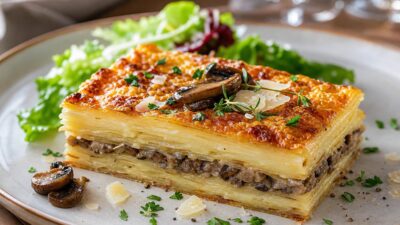
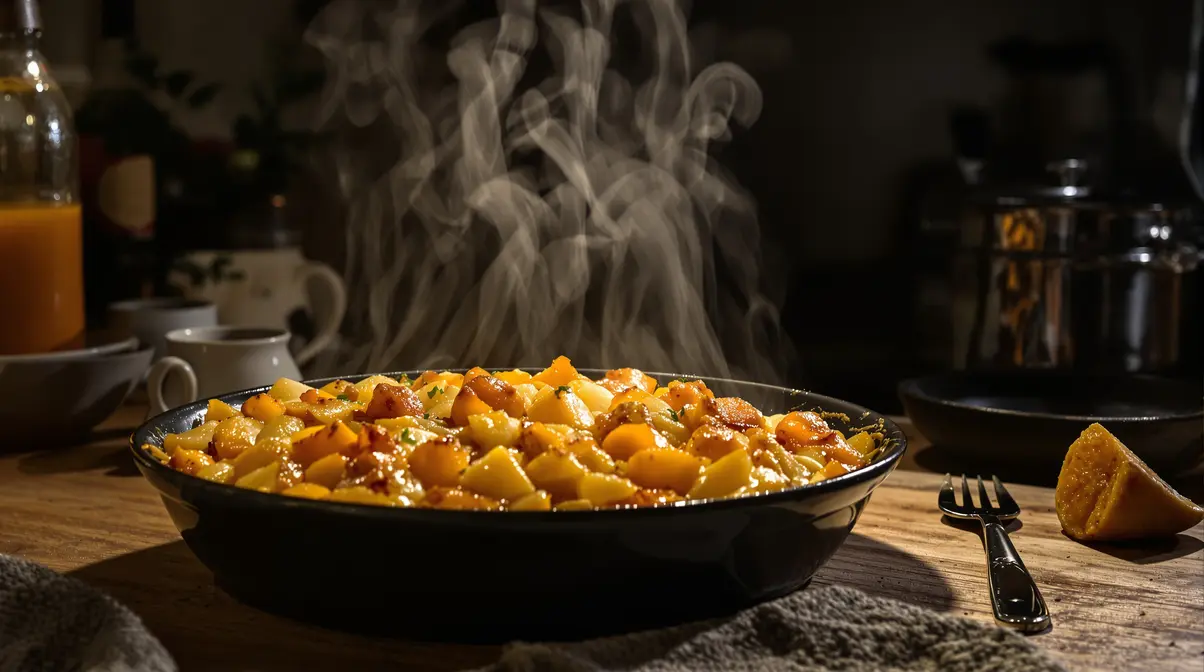
Do you often find yourself preheating the oven even for something as simple as reheating a casserole? You’re definitely not alone. Many home cooks, including myself, have turned to preheating out of habit. However, one day a chef shared a surprisingly simple rule that changed everything for me. Now, I save time and energy, all while achieving better results in the kitchen.
Why we often preheat without thinking
For most of us, preheating the oven has become second nature. We simply turn the dial, wait for the signal, and then place our dish inside, as if it were an unwritten rule of cooking. But the real purpose behind preheating is to achieve a stable temperature at the moment of cooking. The oven requires time to heat its walls, regulate the heating elements, and distribute the heat evenly. The initial moments can feel a bit chaotic.
It’s during these crucial early minutes that many dishes depend on the right conditions. For example, the rising of dough and the setting of egg whites can be dramatically affected. If the oven is still warming up, the texture of your dish may be compromised. This misunderstanding of cooking time versus total time can lead us to believe that preheating is always necessary, giving it an almost magical reputation.
The simple rule from the chef: the 45-minute threshold
One evening, I found myself turning the oven dial for the third time when a chef kindly remarked, “You know, if a dish cooks for over 45 minutes, you can almost forget about preheating.” At first, I was skeptical, but then he explained his 45-minute rule. When cooking lasts longer than this, the oven has plenty of time to reach the right temperature and properly cook the dish. The difference between starting with a cold oven versus a hot one becomes minimal for prolonged cooking times.
However, for cooking periods shorter than 45 minutes, it becomes trickier. The gradual temperature increase can ruin delicate textures, leading to cakes that don’t rise or cookies that spread too much. Certain dishes, like bread, thrive on an initial burst of heat, but for everyday cooking, this guideline can make all the difference. Before preheating, consider just one question: “Is my dish cooking for less than 45 minutes?”
Recipes that need a hot oven
There are certain foods that unequivocally need a hot oven for success. For instance, anything that must rise quickly or set immediately won’t fare well without preheating:
- Choux (eclairs, cream puffs, etc.)
- Soufflés, both savory and sweet
- Cookies that require shape retention
- Genoise cakes and particularly light cakes
- Thin, quickly-baked pizzas
- Puff pastry and croissant dough
In these cases, success hinges on the start. The moisture in the dough transforms into steam rapidly, pushing the dough upwards while the structure solidifies. A warm oven slows this process, causing the dough to sag or spread before it can set.
A good rule of thumb is to preheat if the recipe mentions quick rising, immediate searing, or desired volume from the outset. When in doubt with pastries, it’s safer to preheat.
Dishes where starting cold works perfectly
This is where the rule takes an interesting turn. Many recipes can begin in a cold oven without any negative impact; sometimes, this approach even enhances the outcome.
Gratins, lasagna, and creamy dishes
Gratins often appreciate a gentle rise in temperature. Starting with a cold oven allows heat to progress slowly, giving the dish time to cook through and meld without the top drying out too quickly. This method is perfect for:
- Gratin dauphinois
- Thick, hearty lasagna
- Vegetable gratins with béchamel
- Dishes topped with cream or cheese that need to melt
The result is a golden crust without it becoming too hard, paired with a warm, smooth interior.
Roasts, poultry, and large cuts
For a roast or whole bird, a gradual cooking approach has many benefits. Starting cold allows the meat to heat more evenly. The fat renders slowly, preventing surface drying, while the inside warms up without shock. This method suits:
- 1 kg to 1.5 kg pork roasts
- 1.2 kg to 1.8 kg whole chickens
- Lamb or veal shoulders
- Shanks, shoulder cuts, and slow-cooking meats
This increases tenderness and provides a wider cooking window, allowing a dish to go from 1 hour 30 minutes to 1 hour 45 minutes without drying out.
Roasted vegetables and oven-baked dishes
Oven-roasted vegetables are quite forgiving. Items like roasted potatoes, carrots, sweet potatoes, squash, and beets benefit from starting cold, allowing the flesh to cook through evenly while the exterior browns gradually for better texture.
The same holds for casseroles and slow-cooked dishes in the oven. Dishes like beef bourguignon, tagines, pork stew with prunes, or chicken with olives rely on longer cooking times to develop flavor, not the first few minutes.
A practical example: sweet potato gratin without preheating
To illustrate this principle, here’s a simple sweet potato gratin recipe you can bake without preheating for reliable results.
Ingredients for 4 servings:
- 800 g of sweet potatoes
- 200 g of potatoes (optional for added texture)
- 40 cl of heavy cream
- 10 cl of milk
- 1 clove of garlic
- 80 g of grated cheese (Emmental, Comté, or Gruyère)
- 1 pinch of nutmeg
- Salt and pepper
- 1 tablespoon of butter for the dish
Preparation (without preheating):
- Grease a baking dish and rub it with the halved garlic clove.
- Peel the sweet potatoes and regular potatoes, then slice them thinly (about 3 to 4 mm).
- Layer them in the dish, alternating if using both types.
- In a bowl, mix the cream, milk, nutmeg, salt, and pepper. Pour over the vegetables.
- Sprinkle with grated cheese.
- Place the dish in the cold oven and turn it to 180 °C, using fan mode if available.
- Bake for about 1 hour. Check doneness with a knife; the vegetables should be tender.
You’ll find that skipping preheating alleviates stress, leading to a creamy and well-baked gratin.
The benefits of applying the 45-minute rule
The most immediate advantage is energy savings. By skipping unnecessary preheating, we reduce empty oven use. Estimates suggest around 15 to 20 percent energy savings for everyday cooking.
When applied to daily cooking routines -especially if you’re batch cooking, preparing weekday gratins, or weekend roasts -these small percentages add up.
Another important gain is in dish quality. For longer cooking times, starting cold minimizes surface drying. Textures develop more gradually, preventing burnt crusts and shrinking meats, while allowing some leeway if you need to extend cooking time slightly.
How to implement this rule effortlessly in your routine
To make this a simple habit, keep the following points in mind:
- Less than 45 minutes of cooking: preheating is advisable, especially for dishes requiring quick rising, setting, or shape retention.
- More than 45 minutes: preheating is often unnecessary, particularly for gratins, roasts, roasted vegetables, casseroles, and dishes cooked in a pot.
Additionally, consider these personal adjustments:
- If your dish is ceramic or glass and completely cold, it will absorb some heat initially. Allow an extra 5 to 10 minutes of cooking time.
- If your oven tends to run hot or dry out, starting cold may actually be beneficial for longer cooks.
Ultimately, the best question to ask is not “Should I preheat?” but rather “What do I want my dish to accomplish during the first few minutes of cooking?” If it needs to rise, set, or puff up immediately, then go ahead and preheat. If it’s meant to cook slowly, melt, simmer, or brown gently, then go ahead and start in a cold oven without guilt.
The next time you have a gratin ready on the counter, you might pause to decide whether to turn on the oven straight away or pop the dish in cold, switch it on, and move on. Now you know the rule, and you can confidently decide when preheating is unnecessary, without the fear of ruining your dinner.