
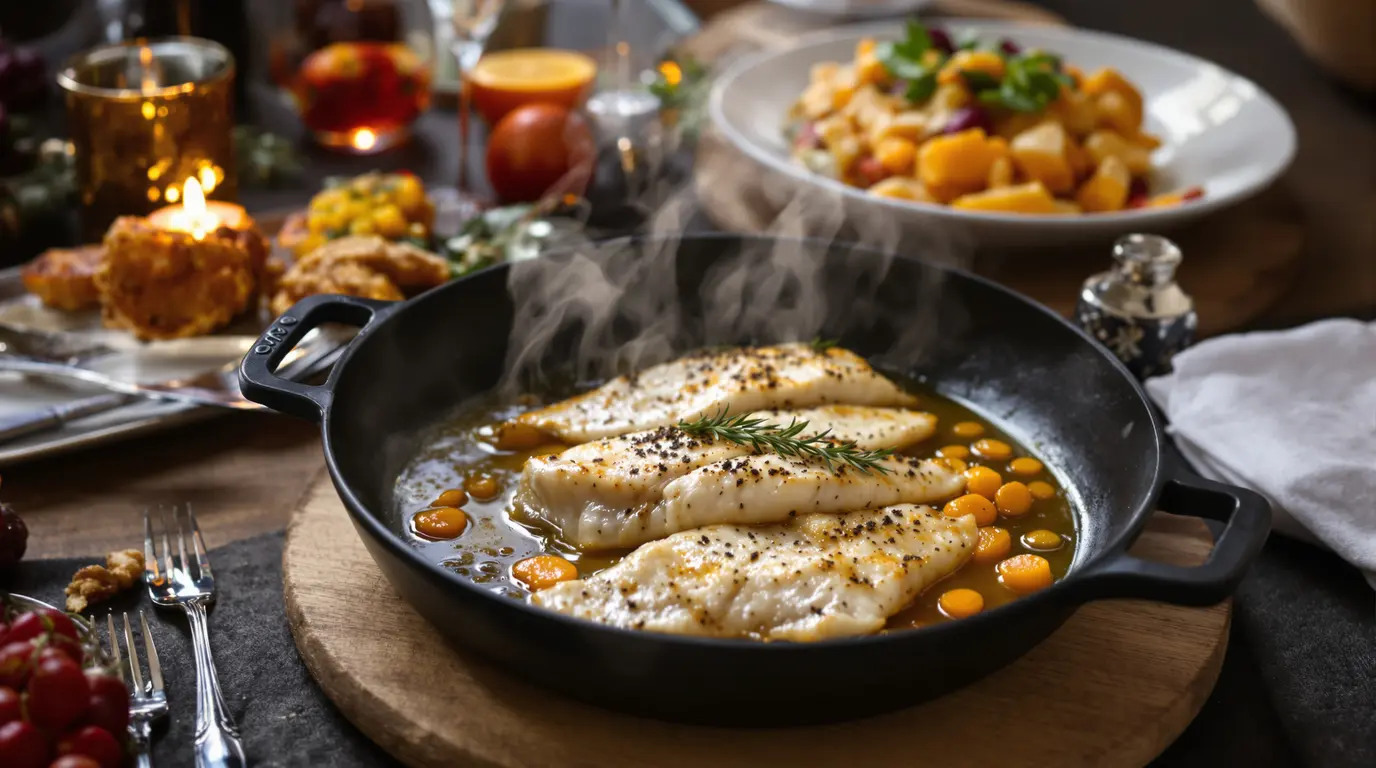
Cod is becoming increasingly expensive. Fortunately, there’s an elegant, local, and far more affordable alternative: hake. This delightful fish deserves a spot on your holiday table. Similar to cod in appearance, it is well-loved by chefs and won’t break the bank.
Why cod is so expensive
You may have noticed at the market that fresh cod often costs over 28 euros per kilogram. A significant portion of this fish is imported and frequently frozen. According to fishmonger Vincent Sorty, nearly 80% of the cod sold in France comes from abroad.
Wild stocks are scarcer than they used to be, and farming remains limited. This combination of factors leads to rising prices, making cod sometimes synonymous with luxury. Hence, it’s a great idea to explore alternatives.
Hake: a discreet but appealing white fish
Hake, also known as merlu, has a delicate and firmer white flesh compared to cod. It is caught in the Mediterranean and Atlantic. With an average price of around 10 euros per kilogram, it is much more budget-friendly.
This fish has a mild aroma. It cooks quickly and lends itself to various methods such as pan-frying, baking in parchment, poaching, or confiting. Chefs already appreciate it, and you may find it featured on upscale restaurant menus -proving it can stand out during festive meals.
How to choose and prepare your hake
For fresh fish, look for clear eyes and firm flesh. If you’re buying fillets, you can request them skinless if you prefer. Opt for local sources when possible, as they are often better for flavor and the environment.
Here are some quick tips: season with salt just before cooking, heat your pan nicely to achieve a good sear, and be careful not to overcook. Hake remains tender when cooked correctly.
Three simple and elegant hake recipes (for 4 people)
Pan-fried hake with creamy leek mash
Ingredients:
- 600 g hake fillets
- 800 g potatoes (starchy variety)
- 2 large leeks
- 30 g butter
- 150 ml milk
- 2 tablespoons olive oil
- Salt and pepper
Instructions:
- Peel and chop the potatoes. Boil for 20 minutes until tender. Drain.
- Clean and slice the leeks. Sauté them in 1 tablespoon of olive oil with a pinch of salt for 10 minutes.
- Mash the potatoes with the milk and butter. Stir in the leeks. Adjust seasoning.
- Heat 1 tablespoon of olive oil in a pan. Sear the hake fillets for 3–4 minutes on each side, depending on thickness.
- Serve the hake on the mash, adding a pepper sprinkle and a drizzle of olive oil.
Baked hake in coconut-ginger parchment
Ingredients:
- 600 g hake fillets
- 400 ml coconut milk
- 20 g fresh ginger, grated
- 1 crushed garlic clove
- 1 lime (zest and juice)
- Fresh coriander sprigs (optional)
- Salt and pepper
Instructions:
- Preheat the oven to 180 °C. Cut 4 sheets of parchment paper.
- Place 150 g of hake on each sheet. Mix the coconut milk, ginger, garlic, lime juice, and zest. Season lightly.
- Pour this sauce over the fillets. Fold the parchment to create sealed packets.
- Bake for 15–18 minutes. Serve with aromatic rice and sprinkle with coriander.
Confited hake with citrus (festive version)
Ingredients:
- 600 g hake fillets
- 200 ml olive oil
- Zest of 1 orange and 1 lemon
- 2 sprigs of thyme
- Salt and pepper
Instructions:
- Preheat the oven to 90–100 °C. In a dish, pour in the olive oil and add the zests and thyme.
- Submerge the hake fillets in the oil. Cover the dish.
- Cook gently for 20–25 minutes until the flesh is translucent and tender.
- Carefully remove the fillets. Serve with roasted vegetables and some orange wedges for a refreshing touch.
Why choose hake now
Hake combines an affordable price, versatility, and delicacy. It allows you to host an elegant meal without compromising on quality. Most importantly, it opens the door to new recipes that will delight your guests.
The next time you face a choice at the fish counter, think of hake. You will save money and discover a white fish that can shine on your finest dining occasions.