When you browse the vegetable section at the market, zucchinis can look quite similar. Yet, in just a few seconds, you can identify ones that will elevate your stir-fry, tian, or even carpaccio. The secret lies in three simple steps: using your eyes, your hands, and a quick firmness test.
The first look says a lot
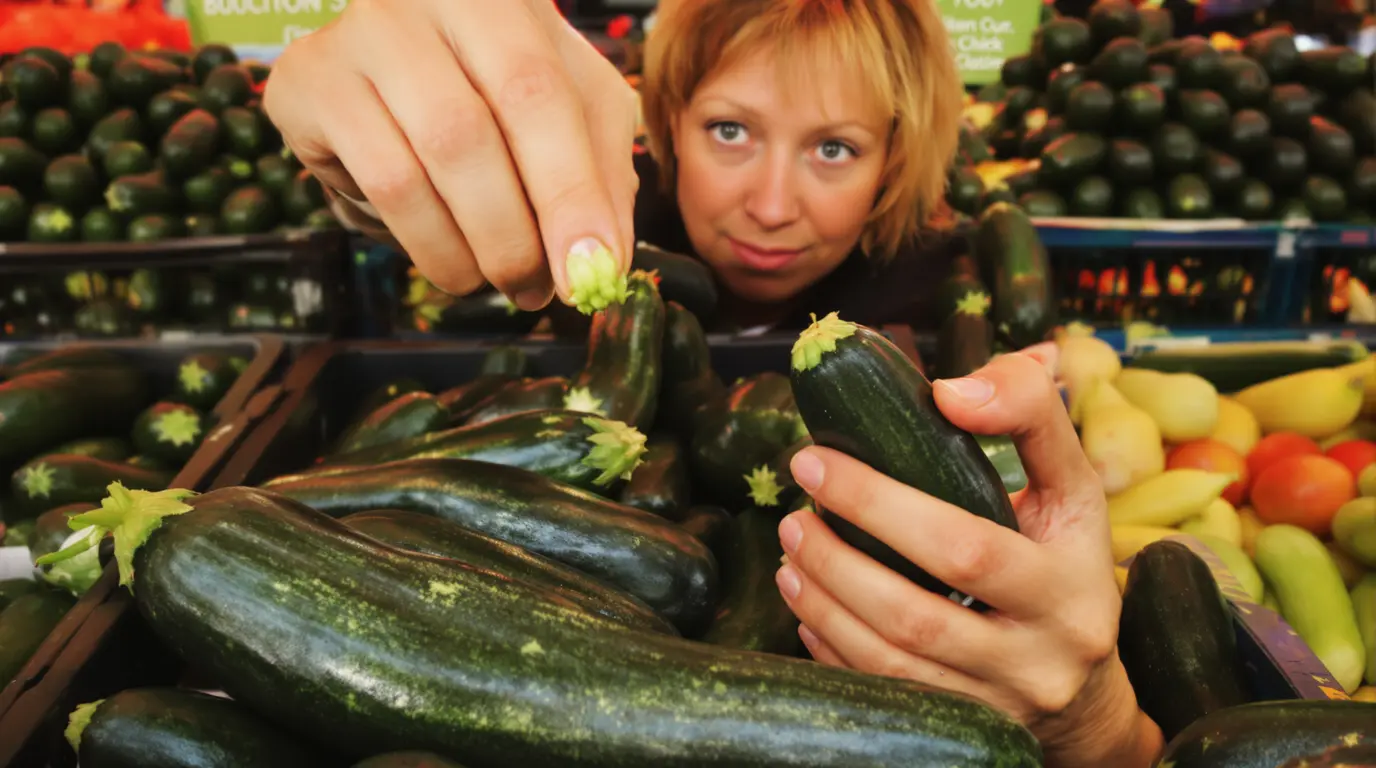
A top-quality zucchini is straightforward in appearance. It should have a smooth, shiny, and taut skin. If the skin looks dull, wrinkled, or has brown spots, it’s best to pass on it.
Pay attention to the color as well. It should be bright and uniform, either a rich green or a vibrant yellow depending on the variety. A washed-out zucchini may have already lost its freshness.
Another vital detail is the stem, which should be green and firm. A dry, brittle, or brown stem often indicates the vegetable has been around for too long.
Weight is a reliable indicator
Pick up the zucchini and lift it. A good zucchini feels slightly heavy for its size. This little weight reveals its water content, indicating freshness.
Conversely, a light zucchini might already be past its prime. This could result in drier cooking with a texture that is less enjoyable. While this may not be a big deal for soup, you’ll definitely notice the difference in a salad or carpaccio.
This quick action only takes two seconds and helps prevent disappointment when you start cooking.
Firmness, the test that rarely fails
Now, it’s time for the simplest test. Gently squeeze the zucchini between your thumb and index finger. It should remain firm, even at the ends.
If the skin easily dents, if it bends slightly, or if certain areas feel soft, that’s a warning sign. This could result in a spongy texture when cooked, or it may release excess water into your dish.
This test is especially useful when choosing between multiple zucchinis. The right one almost feels “alive” under your fingers. It should resist but not be rock hard.
Size truly affects texture
This is a point many may overlook. The larger a zucchini grows, the more seeds it tends to have, and its flesh becomes less refined. This detail is crucial for simple cooking.
Smaller zucchinis are often the most delightful to eat. They are tender, less fibrous, and enjoyable raw. Medium-sized zucchinis work wonderfully for stir-fries, gratins, or woks.
Very large zucchinis typically have a coarser texture. They are best suited for soups, stuffed dishes, or purees. If you seek a pleasing texture, avoid oversized specimens.
Choose the right profile based on your recipe
For raw preparations, select a small, firm zucchini with intact skin. If you plan to eat the skin, go for organic options, as they offer color, crunch, and freshness.
For stir-fries, a medium size is usually the best choice. The flesh remains dense, allowing for even cooking, resulting in a tender dish instead of mush.
For tian, gratins, or stuffed zucchinis, you can opt for slightly larger vegetables. Just ensure they are firm and healthy. While size matters, their condition is of utmost importance.
Signs that should alert you
Certain zucchinis should be avoided without hesitation. Look for those that are wrinkled, spotted, soft, or feel hollow to the touch. A dull skin is also a bad indication.
Be cautious with larger zucchinis if you want a delicate texture. They can become fibrous, seedy, and less pleasant to eat. While they may look appealing from afar, they can quickly disappoint on the plate.
Lastly, if a zucchini tastes bitter, discard it immediately. This is unusual and may signal it is no longer fit for consumption.
Timing makes a difference
Zucchini is truly at its best during the summer months. Its peak season generally runs from June to September. They can be found from May to October, but the quality tends to vary.
When you buy them in peak season, you are more likely to find flavorful, firm, and aromatic vegetables. This is also the time when zucchinis require the least effort to taste good; often, proper cooking is all that’s needed.
And if you’re cooking the skin, freshness becomes even more significant. A young, clean zucchini will yield a much more enjoyable result.
In summary, three simple steps
First, examine the skin. It should be smooth, shiny, and without blemishes. Next, hold the vegetable. It should feel heavy for its size. Lastly, gently press it; it should remain firm.
With these three practices, you will quickly identify the best zucchinis. You save time, avoid unpleasant surprises, and enhance your cooking experience. For such a simple vegetable, the difference can be significant.
The next time you select zucchinis, you won’t be doing so at random. Your dishes will reflect that choice with every bite!