
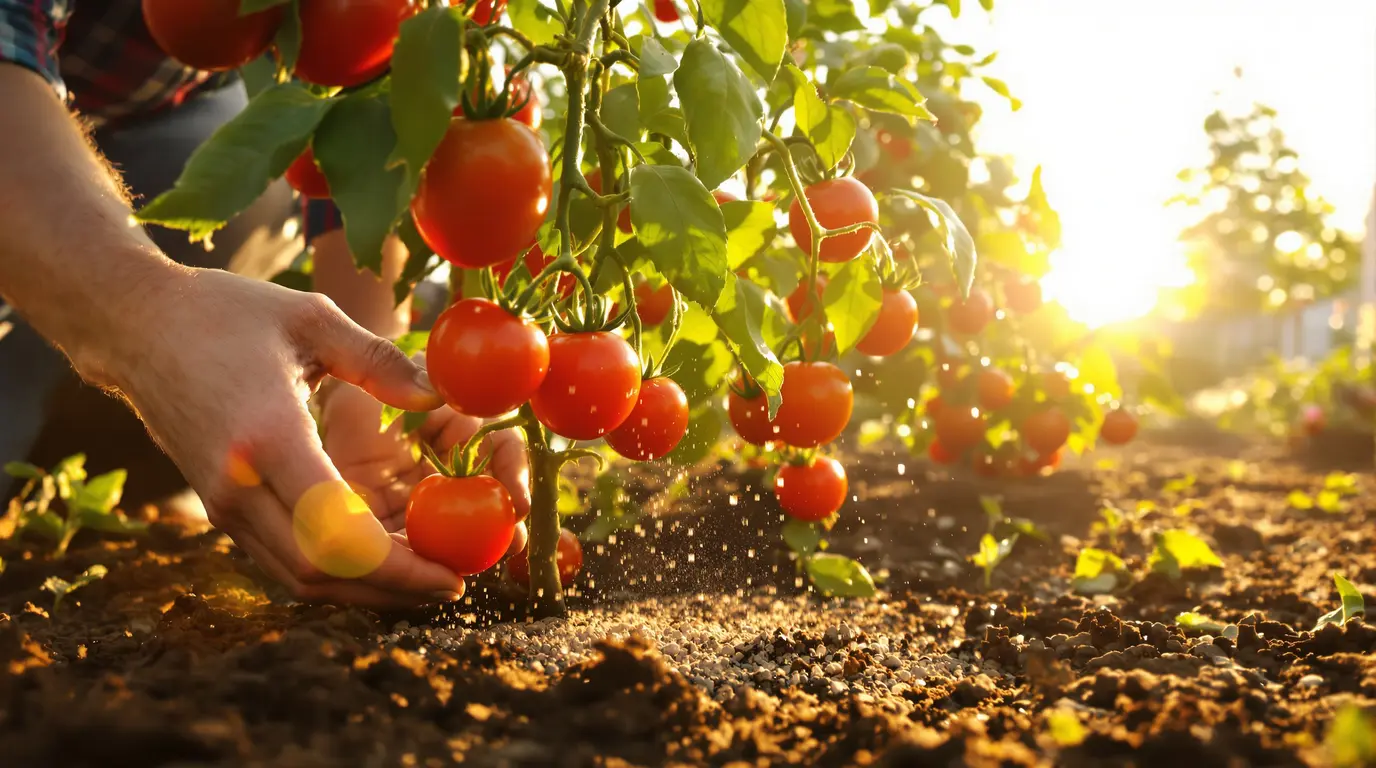
If you’re looking for a straightforward way to grow more beautiful and delicious tomatoes, there’s good news. Many gardeners may not realize that a natural fertilizer is likely within reach. The combination of wood ash and coffee grounds consistently stands out, and for good reason.
Why this combination is popular with gardeners
Tomatoes are energy-intensive plants, especially in the summer, as they produce blooms and then set fruit. If the soil lacks essential nutrients, the result can be disappointing harvests. Fruits may stay small, foliage can become weak, or the dreaded blossom end rot might appear.
This is where the natural approach shines. Wood ash is packed with minerals, while coffee grounds enhance the soil’s organic matter. Together, they provide the kind of support that helps plants thrive. It’s not magic, but rather a thoughtful boost.
Wood ash, a mineral-rich ally
Wood ash is more than just a residue left over from fires. When sourced from untreated wood, it contains potassium, calcium, and magnesium. These nutrients are vital for flowering and fruit development, aiding tomatoes in producing more and growing better.
Additionally, wood ash has a slightly alkaline effect. In overly acidic soils, it can help balance the pH. Since tomatoes prefer a pH of around 6.5 to 7, a better-balanced soil allows the plant to absorb nutrients more effectively, resulting in steadier growth.
Wood ash can also help mitigate issues related to deficiencies. A well-nourished plant is more resilient to stress. However, moderation is key, as too much ash can upset soil balance.
Coffee grounds, discreet but highly useful
Often viewed as a miracle fertilizer, coffee grounds offer a more nuanced benefit. They provide a bit of nitrogen, phosphorus, and potassium, while significantly enhancing the organic matter within the soil, nourishing the microorganisms that aid root health.
A thriving soil brings visible improvements to tomatoes. Foliage becomes denser, and stems grow stronger, enabling the plants to withstand heat or humidity better. This results in more balanced growth, contributing to fruit set.
It’s important to avoid using coffee grounds in thick layers alone; if they dry out, they can form a crust that impedes water penetration. It is best to mix them into compost or to apply them in smaller amounts around the base of the plants.
How to use this duo correctly
The most important guideline is simple: moderation. For wood ash, ensure it comes from untreated wood and sift it if possible. In the garden, a small handful per square meter is sufficient at the start of the season. For potted plants, a tablespoon around the base can do wonders. Follow this with a light watering.
For coffee grounds, the safest approach is to mix them into compost, aiming for about 10 to 15% of the total volume. When applying them directly to the base of the tomatoes, use small amounts every two to three weeks, always mixing it slightly into the soil.
Here’s a simple approach:
- At the start of the season, apply a small dose of sifted wood ash
- Regularly mix coffee grounds into your compost
- Avoid placing too much near the stem
- Water after each addition to help integrate the material
What you can really expect as a result
This mixture won’t transform poor soil into perfect earth overnight. However, it can significantly enhance plant vigor. Many gardeners report more plump tomatoes, stronger foliage, and improved consistency in their harvests.
Another tangible benefit is the recycling of everyday waste. Instead of purchasing costly fertilizer, you’re giving a new life to kitchen scraps and clean wood residue. It’s an easy, economical, and environmentally friendly choice.
Mistakes to avoid
This method relies on balance. Excess wood ash can make the soil overly alkaline, while too much coffee can suffocate the earth’s surface. Additionally, ash from treated, painted, or varnished wood should never be used in vegetable gardens.
It’s also crucial to remember that this tip does not replace regular watering. A well-fed tomato that is not properly hydrated won’t yield well. It still needs water, sunlight, and a lively soil. Natural fertilizers support these fundamental needs.
An ancient method that is regaining popularity
The appeal of this practice lies in its simplicity. There are no complicated mixtures or scary chemicals to measure, just two straightforward ingredients used wisely to support plants at key moments. In a vegetable garden, these small actions can often lead to great results.
If you’re growing tomatoes this season, consider trying this natural boost carefully. Observe your plants and take note of leaf color, stem strength, and fruit size. You will quickly see how your soil responds to this nurturing approach. Sometimes, the most humble efforts yield the most beautiful harvests.