
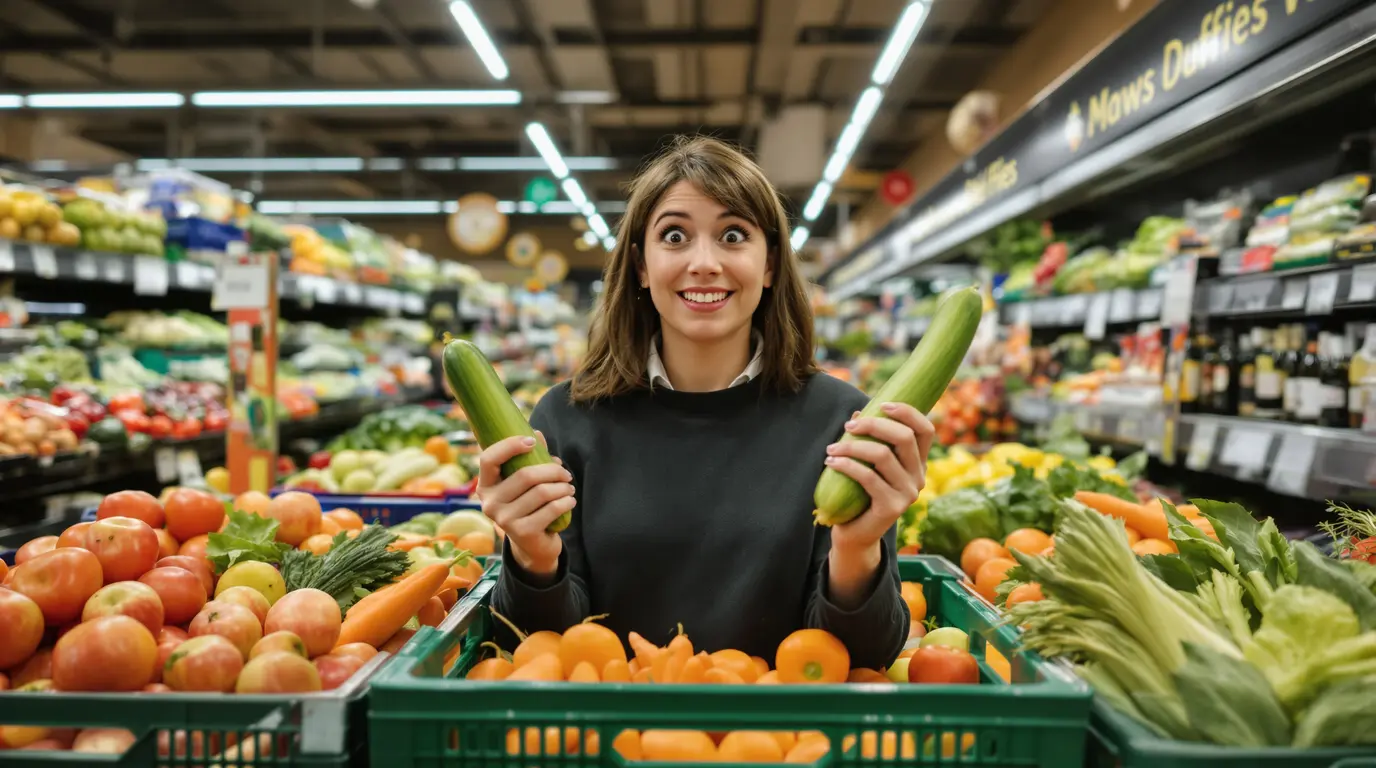
A quiet transformation is taking place in Swiss grocery stores. Imperfect fruits and vegetables are gaining popularity. This seemingly small detail reveals a larger story about climate, harvests, and changing consumer perceptions.
Less regular products, but still good
This hot summer is leaving its mark on the fields. Farmers have noticed its effects on certain fresh vegetable crops, with sometimes lower yields and more varying visual quality.
However, it is crucial to differentiate between appearance and taste quality. A slightly twisted zucchini, an apple with a small blemish, or a less round tomato can still be delightful to eat. The real issue lies in the strict standards that have dominated grocery store displays for years.
Why these fruits and vegetables are more commonly found in stores
Climate changes are altering the rules of the game. Excessive heat, dryness, or irregular weather affects crop development. Vegetables grow slower, fruits take on less uniform shapes, and sometimes the harvest yields are simply lower than expected.
In response, retailers are adapting. Migros has confirmed that the supply of Swiss fruits and vegetables remains stable, but they acknowledge that ensuring both volume and quality for some crops is becoming more challenging.
In other words, the ideal produce is not as readily achievable. This is where imperfect fruits and vegetables come into play, moving from the shadows into the spotlight.
A shift in consumer attitudes
Across Switzerland and beyond, many shoppers are starting to reconsider their purchasing habits. Price matters. So does origin. But an additional question is rising: should one really pay more for a straight carrot or a blemish-free apple?
The answer is not straightforward. In a time of challenging weather conditions and pressure on crops, accepting less visually appealing products means supporting local harvests. It embodies a more realistic approach to food, closer to nature and ultimately more honest.
Moreover, there is a practical truth at play. In a salad, soup, or compote, imperfections quickly fade from memory. The flavor, however, endures, often changing a consumer’s mind.
What this means for Swiss grocery displays
Produce sections are becoming more diverse, not only in color and seasonality but also in shape. This might be surprising at first since stores have long showcased an idealized image of fruits and vegetables.
This shift can also contribute to reducing food waste. Many edible items have been discarded over superficial appearance. In a time of climate stress, throwing away good food no longer makes sense.
While this movement is still less advanced in Switzerland compared to France, it is progressing. This slight delay reflects current trends. Habits are changing -sometimes slowly, yet surely.
Why this trend might be here to stay
If warm, dry, or irregular weather patterns persist, retailers will need to adapt to less uniform harvests. This does not imply a decline in quality; rather, it means that perfect beauty will not always be the norm.
Imperfect fruits and vegetables could become a common choice rather than an exception. For stores, it is a practical response. For producers, it often helps in better showcasing their work. For consumers, it offers a chance for smarter shopping.
How to confidently purchase these products
The best approach is to consider three key aspects. First, observe the overall appearance of the product. Next, assess its smell or firmness, as appropriate. Lastly, think about how you plan to use it at home. A less-than-perfect vegetable can still be ideal for soup, puree, or a roasted dish.
- Choose firm fruits without signs of decay.
- Use slightly marked vegetables quickly to avoid loss.
- Accept irregular shapes if they come with freshness.
- Compare prices, as these items are often more budget-friendly.
Ultimately, this change champions a simple idea: food does not need to be flawless to be delicious. In a climate that increasingly disrupts harvests, this notion is becoming more relevant.