If your zucchinis often seem a bit sad or soft, you’re not alone. Luckily, there’s a simple trick to make them much tastier. And no, it doesn’t involve piling on a mountain of ingredients. The real key is using high heat.
Why zucchini often loses its flavor
Zucchini has both advantages and disadvantages. It’s light, mild, and easy to prepare, but it also contains a lot of water. As a result, when you cook it too gently or for too long, it releases moisture and becomes bland.
This is often where the problem lies. A pan that’s not hot enough or overcrowding the cooking surface leads to the same result: the zucchini doesn’t brown. Instead, it steams, loses its texture, and its flavor quickly fades away.
This isn’t an unavoidable fate. Farmers know this well. To bring out the natural flavor of zucchini, they rely on quick, high-heat cooking. It’s straightforward yet highly effective.
The secret of farmers: searing zucchini on high heat
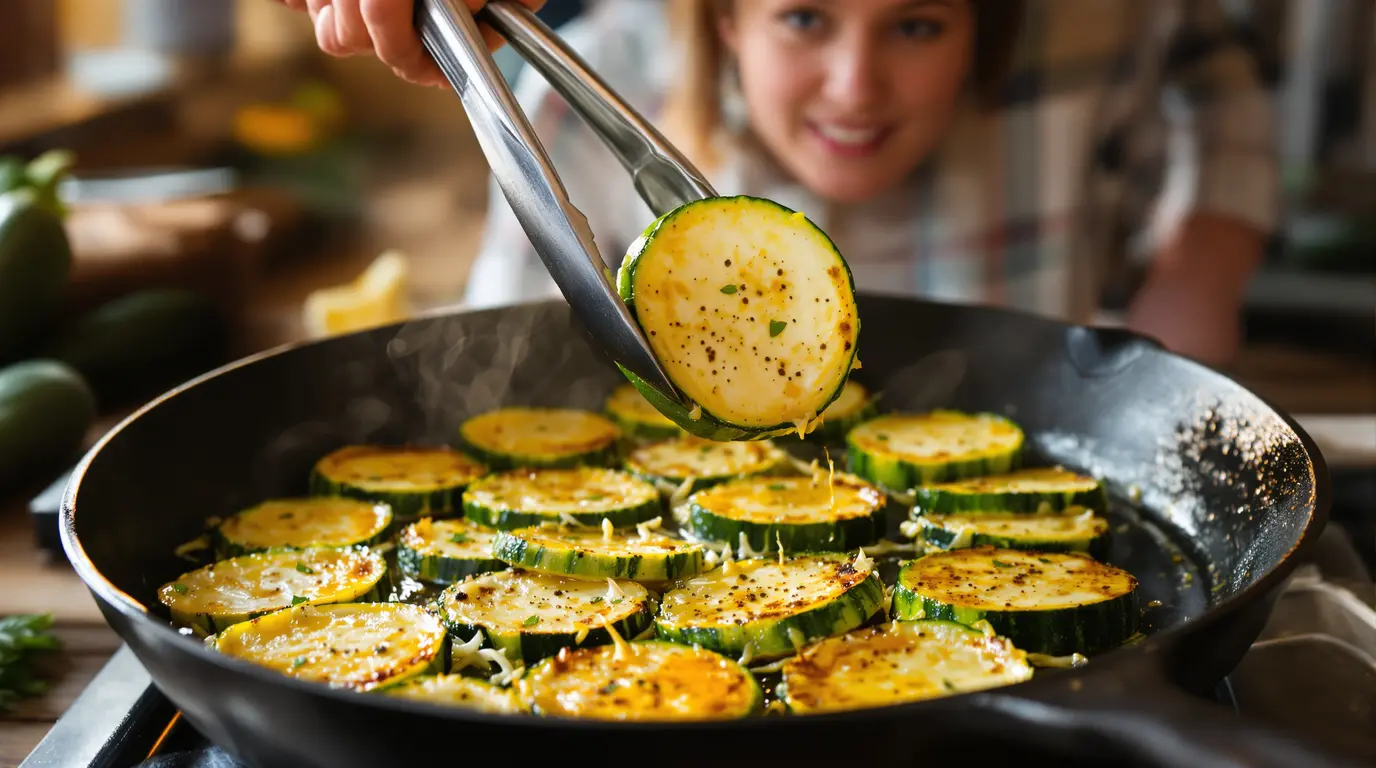
The essence of this method is simple: you must sear the zucchini. When the heat is high, the surface browns quickly. This slight caramelization creates a richer flavor and a more enjoyable texture.
In practice, this means minimal handling and a short cooking time. A well-heated pan or an intensely hot oven makes all the difference. The zucchini remains tender without turning into mush.
Professionals also emphasize an important detail: enough fat is needed to coat the pieces well. A splash of olive oil or a small dollop of butter is all it takes. This helps achieve browning without sticking or drying out.
Another essential point is to avoid flipping the pieces too soon. Let them sit for a moment. When the surface is nicely seared, they will almost release themselves from the cooking surface.
How to do it at home, step by step
You can easily recreate this method at home without needing any special equipment. All you need are good zucchinis and proper cooking techniques.
Ingredients for 4 people
- 4 young, firm zucchinis, each 15 to 20 cm long
- 2 tablespoons olive oil or 30 g butter
- 1 teaspoon fine salt
- 1/2 teaspoon black pepper
- 1 tablespoon vegetable seasoning
- 40 g grated Parmesan cheese
Preparation
Wash the zucchinis without peeling them. The skin helps maintain their structure during cooking. Then cut them into even rounds. Uniform sizes ensure they cook evenly.
Preheat your oven to 230 °C. If using a pan, heat it thoroughly before adding the fat, as this temperature shock is crucial.
Arrange the zucchini rounds on a baking sheet lined with parchment paper, or in a large heated pan without overcrowding. Add the oil or butter, then the salt, pepper, vegetable seasoning, and Parmesan. Toss lightly if necessary.
Cook until the zucchini edges turn golden and the centers are tender. The goal is not to let them collapse completely; they should remain slightly firm while showcasing a nice color.
Serve immediately when they are at their best -hot, aromatic, with a slight crispness outside and a melted tenderness inside.
Little tips that really enhance the result
If you want to take it up a notch, several details can further enrich the flavor. A simple change of herbs or spices can sometimes transform a dish.
For example, try adding smoked paprika, a bit of thyme, oregano, or a pinch of Espelette pepper. If you enjoy bright flavors, a squeeze of lemon juice at the end adds a refreshing touch.
The choice of cheese is also significant. Parmesan contributes a salty, slightly bold flavor. Grated Comté works well too. For a simpler option, a sprinkle of fine breadcrumbs can create a delicate crust.
Don’t forget about the zucchini itself. Young zucchinis are nearly always better for this cooking method, being more tender and less seedy. Yellow zucchinis can also make for a beautiful dish, adding a vibrant hue.
Mistakes to avoid
The first mistake is cooking zucchini too gently. Low temperatures cause them to release water and lose their appeal, leading to a mushy, flavorless result.
Another common mistake is overcrowding the pan or baking sheet. If the pieces are too close together, they steam rather than brown, and they become soft. It’s better to cook in batches if necessary.
A third mistake is choosing overly large zucchinis. They often have more seeds and a less delicate texture. For a great sauté, always opt for young, firm vegetables.
Finally, avoid leaving them on the heat for too long. A well-cooked zucchini should retain its liveliness in texture -don’t let it disappear in the heat.
Why this method is so popular
This technique appeals to many because it truly respects the ingredient. It does not try to disguise the flavor of zucchini; instead, it reveals and enhances it. This makes a significant difference on your plate.
Using this method, a simple vegetable becomes much more enticing. You can serve it alongside fish, chicken, eggs, rice, or even on its own as a light starter. It’s the kind of recipe that quietly becomes a staple in your cooking routine.
Once you taste well-seared zucchini, you’ll find it hard to go back. The difference is striking: more flavor, better texture, and greater enjoyment. Sometimes, all it takes is higher heat to make the biggest impact.