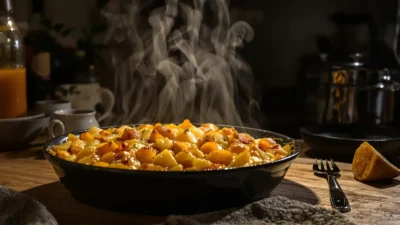
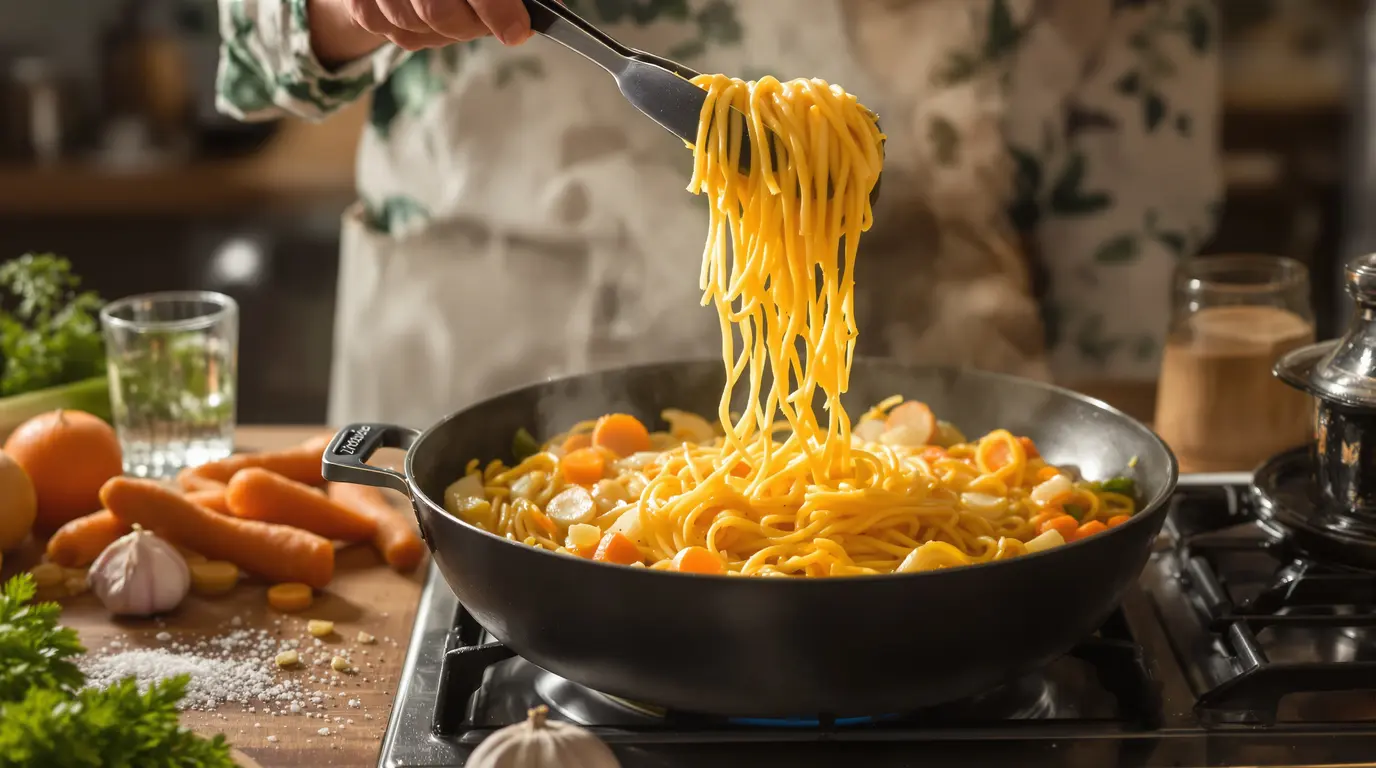
You might still be adding a splash of oil to your pasta water without a second thought. This is a common practice in French kitchens. However, in Italy, it raises quite a few eyebrows. The reason behind this disapproval is simpler than you might think.
Why Italians are irritated by oil in pasta water
In many French kitchens, adding oil seems like a sensible idea to prevent pasta from sticking together. Unfortunately, this reflex isn’t quite right.
In Italy, the cooking method is straightforward. The only ingredients in the pot are water, salt, and pasta -nothing more. This isn’t merely a rule for aesthetics; it allows for a cleaner flavor and better cooking results.
Oil doesn’t blend into the water; it floats on the surface. Thus, it doesn’t actually protect the pasta during cooking. In fact, it can hinder the sauce from adhering properly later on.
The true effects of adding oil
The real issue arises during draining. A thin greasy film can coat the pasta. While they may look smoother, the sauce tends to slide off instead of clinging to it.
The end result is a dish that loses flavor and coherence. Sure, you have pasta, but it lacks the harmonious blend that makes a great meal.
Italians, on the other hand, aim for every bite to be cohesive, flavorful, and delightful. To achieve this, there’s no room for oil in the water.
The true rules for cooking pasta like an Italian
The good news is that you don’t have to be a chef to get it right -adjusting a few simple habits makes a world of difference.
- Use about 1 liter of water for every 100 grams of pasta.
- Generously salt the water, using approximately 7 to 10 grams of salt per liter.
- Wait for a robust boil before adding the pasta.
- Stir immediately after adding the pasta.
- Taste the pasta one or two minutes before the suggested cooking time ends.
- Always reserve a bit of cooking water before draining.
These steps may seem straightforward, but this is often where good preparation starts. Precisely cooked pasta results in a more enjoyable texture and a livelier bite.
How to prevent pasta from sticking without oil
The key isn’t to add another ingredient but to manage the cooking process better from the start. When pasta enters the water, it releases starch, which can cause sticking.
This is why it’s essential to stir right away and continue to do so a couple of times in the first three minutes. This small action changes everything.
Another crucial point is to ensure there’s enough water. If the pot is too small, the pasta will be cramped and stick together faster. Lastly, avoid letting the pasta sit in the colander too long; the longer it waits, the drier it becomes.
The critical moment: mixing with the sauce
In France, it’s common to serve pasta and sauce separately. In Italian cooking, this is a significant misunderstanding. The two should meet immediately while everything is still hot.
Drain the pasta and pour it directly into the pan with the sauce. Then, add a few tablespoons of reserved cooking water. The starch in this water helps bind and coat the pasta with the sauce.
This small addition often results in a smoother, shinier, and almost creamy texture -without any cream at all. The pasta water does all the work.
A simple method for perfect pasta every time
Here’s a reliable, easy-to-remember method for 400 grams of pasta.
- Heat 4 liters of water in a large pot.
- Add 4 tablespoons of salt, roughly 35 to 40 grams.
- Once the water is boiling vigorously, add the pasta.
- Stir immediately, then a few more times at the beginning.
- Taste before the suggested cooking time is up.
- Keep a cup of cooking water, about 150 to 200 ml.
- Drain and mix immediately with the sauce.
- Add a little cooking water if the sauce seems too thick.
With this method, you’ll achieve pasta that’s better bound, more flavorful, and much closer to what you would enjoy in a true trattoria.
Recipe: winter spaghetti with creamy sauce (without cream)
To see the difference in action, here’s a simple and comforting recipe perfect for when you crave a warm, gentle, and complete dish without using cream.
Ingredients for 2 to 3 servings
- 300 grams of spaghetti
- 1 medium leek
- 2 carrots
- 1 yellow onion
- 2 cloves of garlic
- 200 ml of oat milk or another neutral plant milk
- 1 tablespoon of nutritional yeast
- 2 tablespoons of olive oil for the pan, not for the water
- Fine salt
- Ground black pepper
- A pinch of nutmeg
Preparation
1. Cook the spaghetti in a large pot of salted boiling water. Use about 3 liters of water and 3 tablespoons of salt, stirring right after adding the pasta.
2. Prepare the vegetables. Wash the leek and peel the carrots and onion. Thinly slice the leek and onion, and cut the carrots into thin half-moons. Mince the garlic.
3. Heat the olive oil in a large pan. Add the onion, leek, and carrots. Sauté for 8 to 10 minutes over medium heat until the vegetables are tender.
4. Add the garlic and stir for 1 to 2 minutes. Then pour in the oat milk and add the nutritional yeast. Season lightly with salt, pepper, and nutmeg.
5. Simmer for 5 minutes over low heat until the sauce thickens slightly.
6. Before draining the pasta, reserve a glass of cooking water. Drain the spaghetti, then add it to the pan. Quickly mix and add 4 to 5 tablespoons of cooking water. Stir for 1 to 2 minutes over low heat.
7. Serve immediately. If desired, sprinkle a little extra nutritional yeast on top for added flavor.
Common mistakes to avoid
Many issues come from small habits, but fortunately, they can be easily corrected.
- Pasta sticks in the colander: they waited too long. Quickly mix them with the sauce.
- Pasta lacks flavor: the water wasn’t salty enough. Salt should be added during cooking.
- Sauce settles at the bottom: too much oil in the water or a delayed mix. Keep cooking water and combine while hot.
- Texture is dry: add a bit more cooking water to bind everything.
Ultimately, cooking pasta is not complicated. It simply requires a bit of attention. When you follow these steps, the outcome is remarkably improved. Your pasta becomes more delicious, consistent, and satisfying.